National Taipei University of Technology, Telecom Technology Center, and GMO Cybersecurity by Ierae Join Forces to Advance LEO Satellite Cybersecurity R&D and Deepen Taiwan-Japan Collaboration
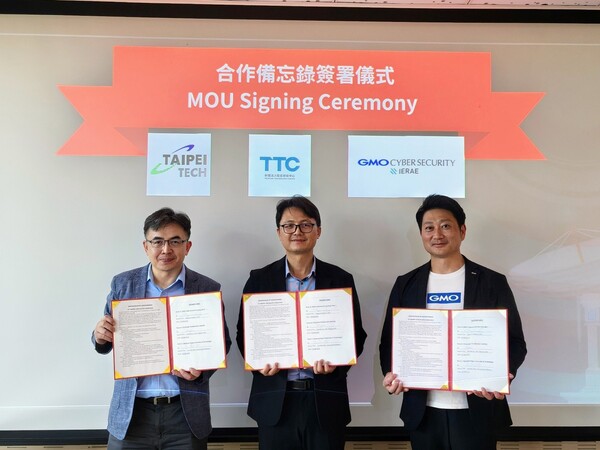
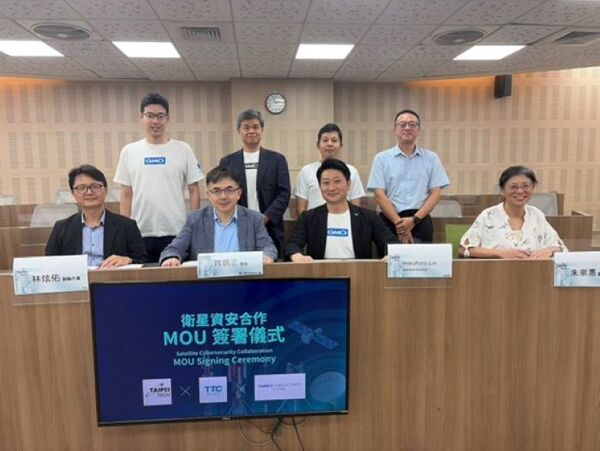
GMO Cybersecurity by Ierae, Inc. (CEO: Makoto Makita; hereinafter “GMO Cybersecurity by Ierae”), a member of the GMO Internet Group, (*1) signed a Memorandum of Understanding (MOU) on August 20, 2026 with National Taipei University of Technology (hereinafter “NTUT”) and the Telecom Technology Center (hereinafter “TTC”) to advance research and development in cybersecurity for low Earth orbit (LEO) satellites and to build an academia-industry-government collaboration platform between Taiwan and Japan. By combining NTUT's academic research capabilities and track record in cybersecurity talent development, TTC's expertise in telecommunications technology and cybersecurity standards, and GMO Cybersecurity by Ierae's expertise in vulnerability assessment and attacker-perspective security evaluation, the three parties aim to raise security levels across LEO satellite systems.
In recent years, the use of LEO satellites for communications, remote sensing, and other applications has rapidly expanded, making satellite systems an increasingly vital part of the world's communications and digital infrastructure. As the satellite industry grows, identifying threats to satellite systems, developing security verification methods suited to the unique satellite environment, and building cybersecurity into the design and operation stages have become critical challenges for the industry.
This partnership will focus on three key areas: risk assessment, the development and promotion of cybersecurity standards, and talent development. Through this MOU, the three parties will build a long-term framework for technical exchange and joint research and aim to create new opportunities for collaboration between Taiwan and Japan in the fields of satellite communications and cybersecurity.
Associate Professor Yu-Chih Wei, Director of the Computer and Network Center at Taipei Tech, said: "This partnership bridges academic research with practical industry needs. Through collaboration that transcends borders and institutions, we will strengthen our research capabilities in LEO satellite cybersecurity. Going forward, through research projects and talent development programs, we will provide faculty and students with opportunities to participate in developing advanced satellite cybersecurity technologies, helping to build a stronger talent base in space systems and cybersecurity in Taiwan."
Hsuan-Yu Lin, Deputy CEO of TTC said: "LEO satellites represent an important direction for next-generation communication networks and resilient communications, and cybersecurity is essential to ensuring the stability and reliability of related services. This partnership will draw on Taiwan's experience in communications technology research, cybersecurity testing and validation, and standards development to promote security assessment methods and standards tailored to the characteristics of LEO satellites. It will also help Taiwan's satellite communications sector and related industries strengthen their cybersecurity capabilities."
Hikohiro Lin, Director and CGO, GMO Cybersecurity by Ierae said: "Satellite systems have a different operating environment and attack surface than conventional information systems. Building more practical threat models and verification methods requires an integrated approach that combines satellite engineering, communications technology, and an attacker's perspective. Through this three-way partnership, we will apply the expertise we have built up through vulnerability assessments, penetration testing, and threat analysis to the LEO satellite field, and jointly develop highly practical cybersecurity technologies."
Centered on “LEO Satellite Cybersecurity Technology R&D,” the three parties will jointly advance related research projects, proceeding step by step with the following initiatives.
1. Risk Assessment for LEO Satellite Systems
Taking into account the mission characteristics, system architecture, and communications environment of LEO satellites, we will analyze cyber threats that could affect the satellite itself, ground control systems, communication links, user terminals, and the related supply chain, and build threat models and risk assessment methods suited to LEO satellite systems.
2. Development and Promotion of Satellite Cybersecurity Standards
Combining the expertise of all three parties in satellite communications, cybersecurity verification, technical research, and industry practice, we will develop cybersecurity requirements, risk assessment methods, and verification and validation specifications suited to LEO satellite systems. We will also promote the adoption and dissemination of related standards through technical exchange, sharing of research results, and industry collaboration, aligning satellite cybersecurity technologies with international standards and best practices.
3. Talent Delelopment
Through joint research, technical workshops, thematic exchanges, mutual researcher exchanges, and talent development programs, we will promote cross-disciplinary collaboration spanning satellite engineering, communications technology, and cybersecurity, and cultivate practitioners with expertise in both space systems and cybersecurity.
About National Taipei University of Technology
National Taipei University of Technology emphasizes practical applications in education. Over the past century, the university has educated numerous influential entrepreneurs and researchers, and more than one in ten leaders of publicly listed companies in Taiwan are Taipei Tech alumni. In surveys of universities most favored by domestic employers, Taipei Tech ranks first among Taiwan's technological universities and enjoys strong industry trust.
About Telecom Technology Center
Since its establishment, TTC has supported Taiwan’s national ICT development by conducting research on communications regulatory policies, communications technology standards, and cybersecurity technical standards. TTC also provides impartial and professional third-party testing and certification services to the industry, with the goal of serving as a policy and technology think tank for the government while building trusted third-party testing and certification capabilities for the industry.
About GMO Cybersecurity by Ierae
GMO Cybersecurity by Ierae is a cybersecurity professional company comprised of one of the largest groups of white-hat hackers in Japan. Guided by its corporate philosophy of “turning the conviction to help people into the power to protect them,” the company will continue contributing to the strengthening of cybersecurity in Japan through cutting-edge technology and practical education. Aiming to “bring the skills of the world's best white-hat hackers closer to everyone,” it provides comprehensive cybersecurity services ranging from vulnerability assessments and penetration testing to security consulting, SOC services, and forensic investigations.